How can we build the future when those who will live in it are not always listened to? The “After 2030: The Secret to a Better World” project kicked off in Seville with this question. The project is a Bosco Global initiative that aims to encourage young people to reflect on the challenges we face regarding human rights and sustainability, sharing experiences with young people from Ecuador, Togo and Lebanon to influence the post-2030 global agenda.
Drawing on their own realities, both groups shared a fundamental idea: the future cannot be built without listening to young people and without involving those who experience inequalities at first hand.
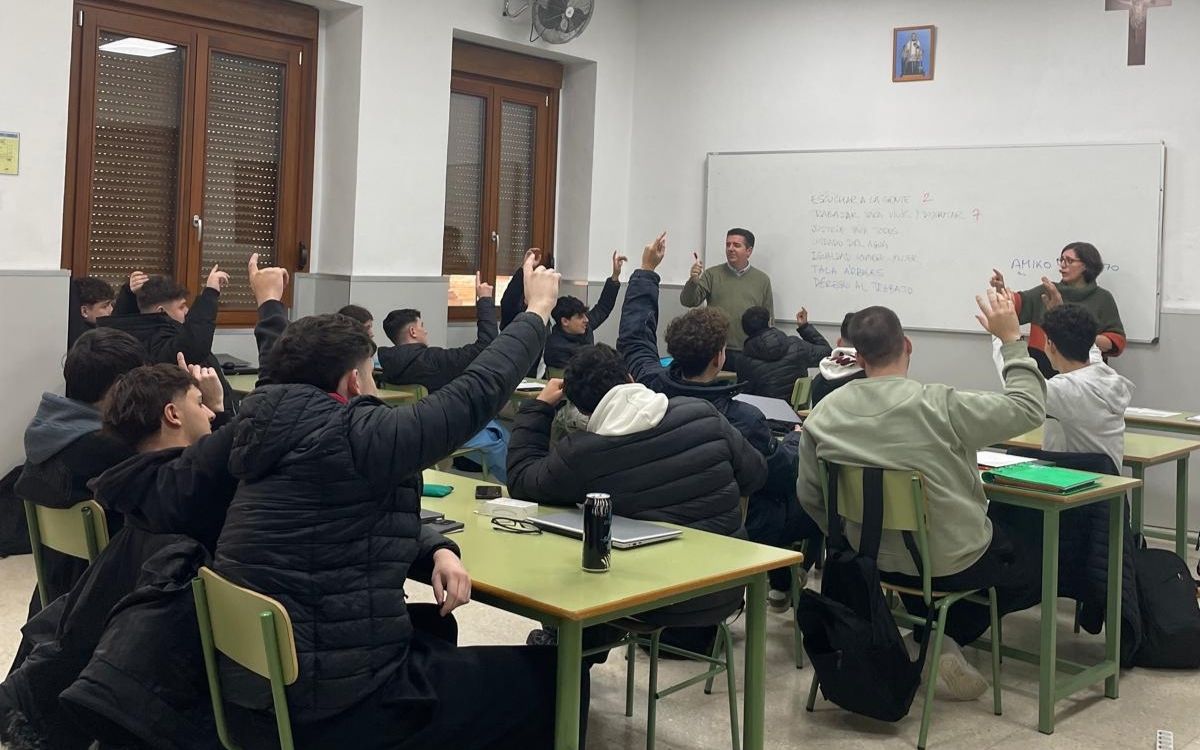
At Salesianos de Triana, the group focused on the need for structural change based on equity and respect for the environment. Among their reflections, they made a powerful statement: “when justice only works for a small group of people, it ceases to be called justice”. They also highlighted the importance of challenging everyday sexism, protecting ecosystems and safeguarding essential resources such as water.
Alongside this, they insisted that any social transformation must involve those directly affected. For them, it is not enough to talk about change: it must be built by listening, participating and working together.
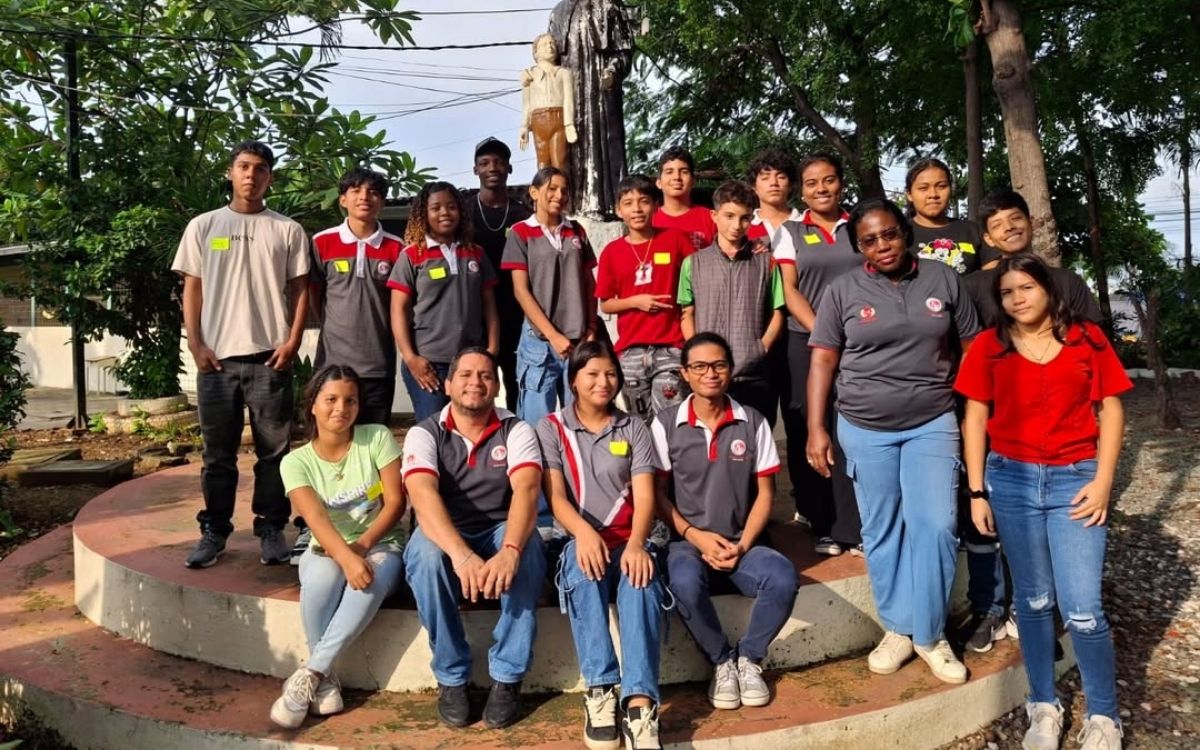
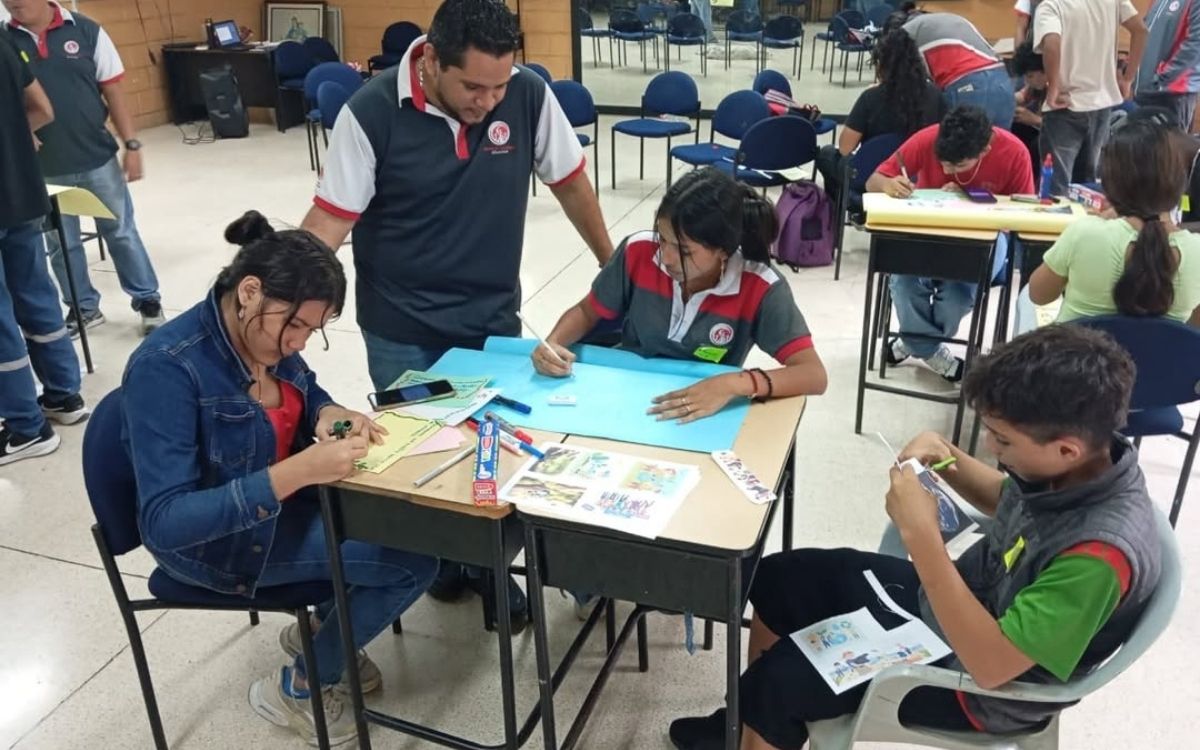
This perspective connects with the work carried out by young participants in the Salesian Guayaquil Project (Ecuador), where they have analysed how social and economic inequalities affect their daily lives, placing special emphasis on the lack of opportunities for young people and the need for more inclusive public policies. Their proposals aim to guarantee access to education, decent employment and spaces for genuine participation, as key elements in building a fairer future.
For their part, the young people from UnidiversUS − a programme run by the University of Seville aimed at training people with intellectual disabilities − grounded their proposals in the everyday life of their immediate surroundings. Their vision is of a 100% accessible Seville, free from physical and social barriers, and a society where the right to work is a real possibility for everyone. In their own words, “everyone has the right to opportunities that allow them to access employment”. A job, moreover, that guarantees stability and dignity: to live, not just to survive.
However, not all groups are able to progress through the process on an equal footing. In Lebanon, the situation of conflict in the Middle East is seriously hampering the development of the planned activities, reminding us that talking about the future also means facing contexts where the present is marked by uncertainty and war.
All the proposals collected so far, together with those from the other participating groups, will be used to draft a collective letter addressed to international leaders, with the aim of contributing to the construction of the post-2030 global agenda.